
What High-End Homeowners Get Wrong When Refurbishing Their Property
- Dawn Allen
- Apr 15
- 4 min read
Refurbishing a home is an exciting opportunity — especially when you’re investing in creating something truly beautiful, functional, and lasting.
However, even the most well-intentioned homeowners can make decisions that lead to unnecessary stress, increased costs, or a finished space that doesn’t quite live up to expectations.
At Inara Interiors, we often step into projects where small early decisions have had a significant impact later on. The good news is that with the right approach and guidance, these mistakes are entirely avoidable.
Here are some of the most common pitfalls — and how to avoid them.
1. Starting Without a Clear Overall Vision
One of the biggest mistakes is beginning a refurbishment without a fully considered design plan.
It’s easy to focus on individual elements — a kitchen layout, a bathroom design, or flooring choices — but without a cohesive vision, the final result can feel disjointed.
A successful refurbishment should be approached holistically. Every decision, from layout to lighting to materials, should connect and support the overall feel of the home.
What to do instead:Start with a clear design concept for the entire property before any building work begins. This ensures consistency, flow, and a far more refined end result.
2. Underestimating the Importance of Lighting
Lighting is often treated as a finishing touch — when in reality, it should be considered from the very beginning.
Poor lighting design can undermine even the most beautifully finished space.
Layered lighting — combining ambient, task, and accent lighting — is what creates warmth, depth, and atmosphere. It also impacts how materials, colours, and textures are perceived.
What to do instead:Plan your lighting alongside your layout and electrical design. Consider how each room will be used throughout the day and evening.
3. Prioritising Aesthetics Over Function
A home can look stunning on paper but fall short in everyday use.
We often see layouts that don’t quite work for the way a family lives — insufficient storage, awkward circulation, or impractical bathroom layouts.
True luxury lies in how effortlessly a space functions.
What to do instead:Design around your lifestyle first. Think about movement, storage, maintenance, and how each space will be used daily. Beauty should always be supported by practicality.
4. Not Involving a Design Lead Early Enough
Many projects begin with a builder or architect, with design decisions added later.
This can lead to missed opportunities, compromises, and costly revisions.
Without a central design lead, decisions can become fragmented — resulting in a home that feels inconsistent or unresolved.
What to do instead:Engage a designer at the earliest stage. This allows the layout, finishes, and technical details to be considered together, creating a more seamless and efficient process.
5. Overlooking the Importance of Flow and Proportion
It’s not just about how a room looks — it’s about how it feels.
Ceiling heights, door positions, sightlines, and transitions between spaces all contribute to the overall experience of a home.
Even subtle misalignments can make a space feel slightly “off,” even if it’s hard to pinpoint why.
What to do instead:Focus on spatial flow and proportion from the outset. Small adjustments in layout can dramatically improve how a home feels.
6. Choosing Materials Without Considering Longevity
Trends can be tempting, but not all materials stand the test of time — either visually or practically.
We often see finishes that look beautiful initially but are difficult to maintain or date quickly.
What to do instead:Invest in materials that are both durable and timeless. Consider how they will age, how they will be cleaned, and how they will feel in five or ten years’ time.
7. Trying to Manage Everything Independently
Managing a refurbishment involves coordinating multiple trades, schedules, deliveries, and decisions — all while maintaining quality and consistency.
For many homeowners, this quickly becomes overwhelming.
Without clear oversight, delays and miscommunication can easily arise.
What to do instead:Work with a professional who can manage the process on your behalf — ensuring the design is executed correctly, timelines are maintained, and issues are resolved before they escalate.
8. Focusing Only on the Present, Not the Future
A refurbishment should work not just for how you live today, but for how your needs may evolve.
This is particularly important for family homes or long-term investments.
What to do instead:Think ahead. Consider how spaces might adapt over time, and design with flexibility and longevity in mind.
A More Considered Approach to Refurbishment
A well-executed refurbishment should feel calm, cohesive, and effortless — not stressful or disjointed.
The difference often comes down to early planning, clear vision, and having the right expertise guiding the process from start to finish.
At Inara Interiors, we combine interior design with refurbishment project management, ensuring every detail is carefully considered and professionally delivered.
Planning Your Own Refurbishment?
If you’re considering a home refurbishment in Surrey or West London and want to avoid these common pitfalls, we’d be delighted to help.
Our role is to bring clarity, structure, and thoughtful design to your project — creating a home that feels both beautiful and easy to live in.
Get in touch to arrange an initial consultation and take the first step towards a more considered refurbishment.
A spa design concept created for a basement of a high end residential property in London


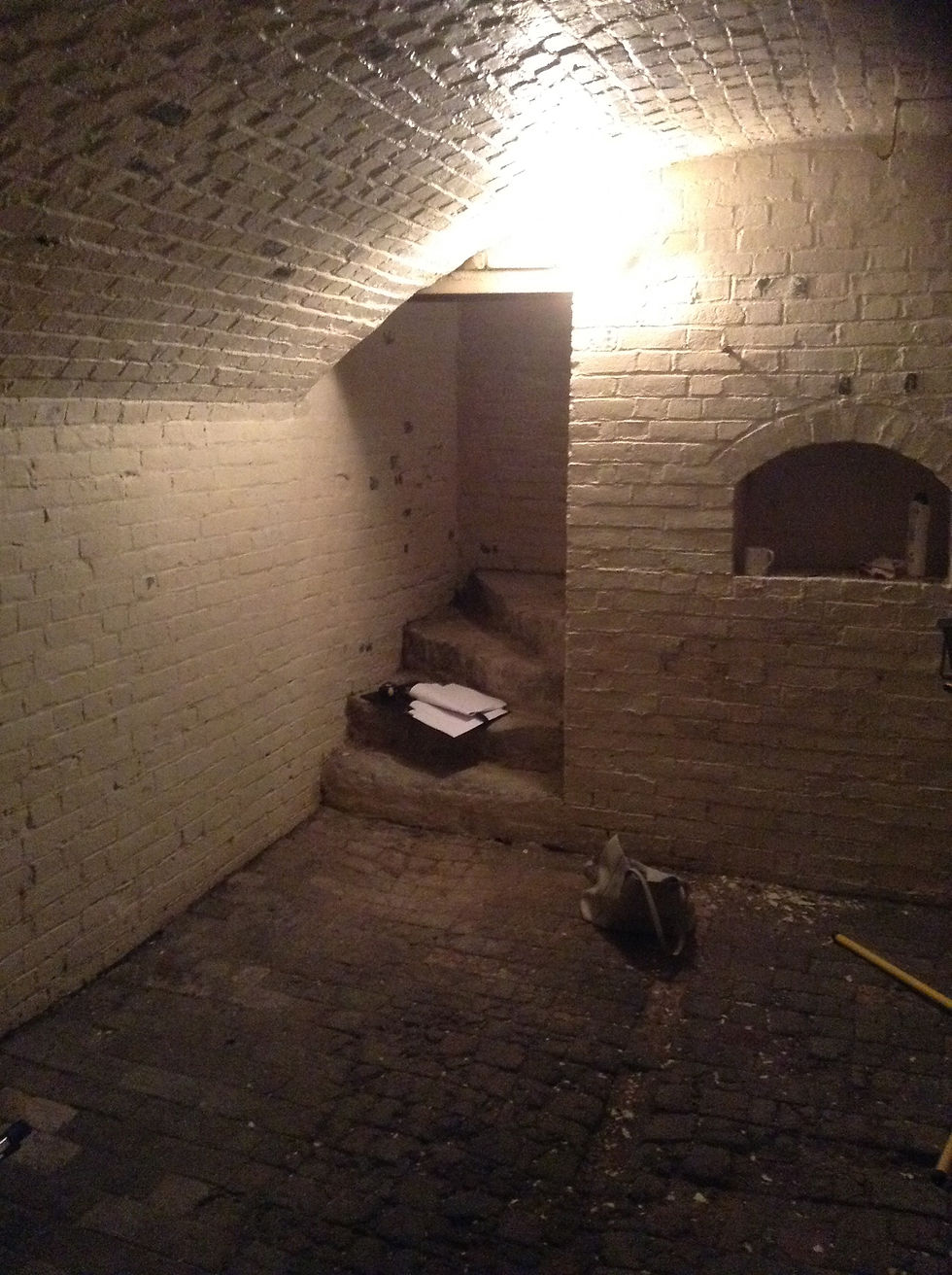
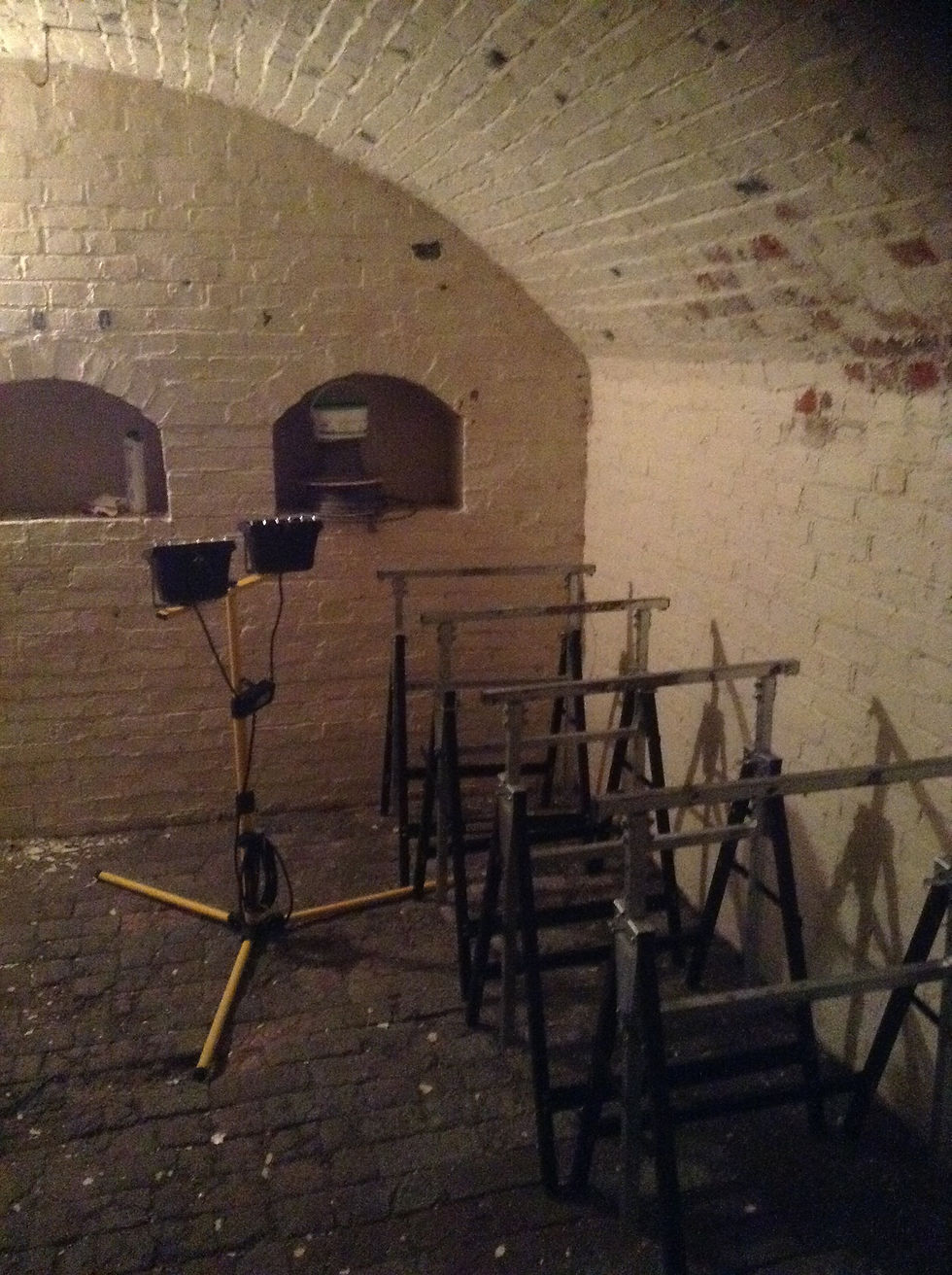
The before images of the basement space




Comments